Healthcare / Neonatal Care
Automated nitric oxide therapy system: Connected iNO delivery for NICU patients
Development of an automated inhaled nitric oxide (iNO) therapy system for NICUs treating newborns with persistent pulmonary hypertension, with design documentation structured to IEC 62304 (Class C) and ISO 13485 expectations. It combines precise gas delivery, real-time NO/NO2 monitoring, cloud connectivity for remote oversight and layered safety interlocks, with a BOM-based estimate of a device cost about 60% below imported iNO delivery systems.
What we did: We designed the gas-delivery control electronics and safety-critical PCB, the IEC 62304 Class C firmware with dual-processor safety architecture, the alarm system and the cloud monitoring platform, and prepared the 510(k) and CE technical documentation.
Medical equipment manufacturer, India20 months
Published Last reviewed:
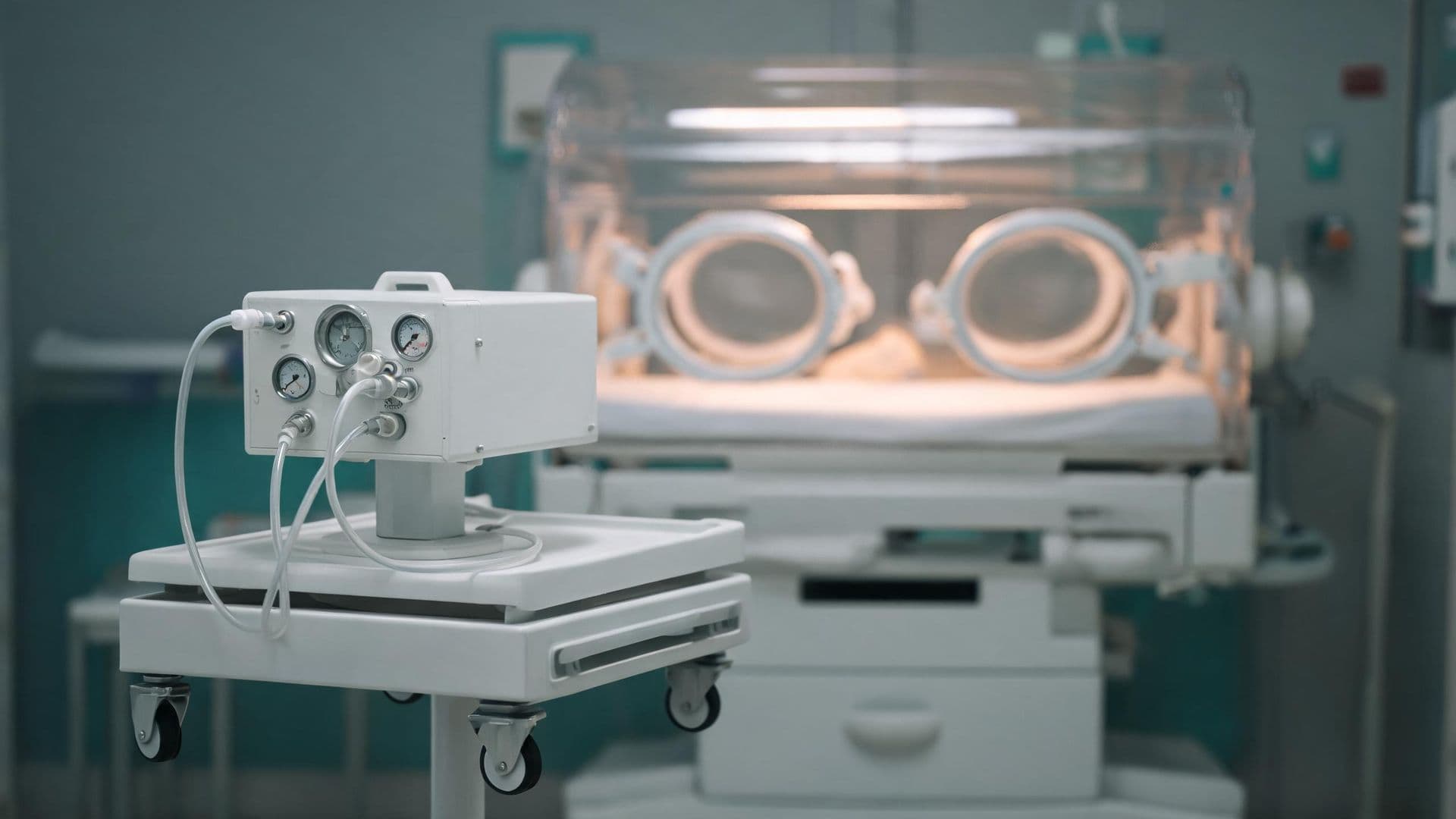 Illustrative image
The challenge
Newborns with Persistent Pulmonary Hypertension of the Newborn (PPHN) require precise inhaled Nitric Oxide therapy, but existing systems are prohibitively expensive and lack remote monitoring capabilities. An affordable, connected solution was needed for NICUs in emerging markets.
Prohibitive treatment costs
Traditional iNO therapy systems cost $15,000-$25,000 per patient treatment course. This limits access in developing countries where PPHN mortality is highest.
Precise dosing requirements
iNO requires extremely precise delivery (1-80 ppm) as both under-dosing (ineffective) and over-dosing (toxic NO2 formation) are dangerous for fragile newborns.
Continuous monitoring need
NO2 and methemoglobin levels must be continuously monitored. Manual monitoring is labor-intensive and prone to gaps in coverage.
Remote NICU challenges
Many NICUs lack specialist availability 24/7. Remote expert consultation and monitoring was essential for safe therapy management.
Impact figures describe the situation before the project, as the client reported it to us; we did not measure them.
Our solution
We developed a fully automated iNO delivery system with precise gas mixing, real-time monitoring, cloud connectivity for remote specialist oversight, and safety interlocks — engineered for the FDA 510(k) and CE pathways, with a BOM-based estimate of a device cost about 60% below imported iNO delivery systems.
System architecture
Complete iNO therapy ecosystem from gas delivery to cloud monitoring.
Delivery system
- Precision NO/N2 gas blending
- Mass flow controllers (0.1 LPM resolution)
- Electrochemical NO/NO2 sensors
- Integration with ventilator circuits
- Cylinder pressure monitoring
- Automatic cylinder switchover
Monitoring unit
- Real-time NO concentration display
- NO2 level monitoring with alarms
- SpO2 integration capability
- Methemoglobin tracking prompts
- Treatment logging and trending
- Touch-screen operator interface
Connected platform
- Cloud-based therapy monitoring
- Remote specialist consultation
- Multi-NICU dashboard
- Treatment protocol management
- Automatic adverse event reporting
- Predictive maintenance alerts
Custom hardware design
- MCU
- STM32F7 with separate safety processor
- Flow Control
- Mass flow controllers (±1%)
- NO Sensor
- Electrochemical (0-100 ppm)
- NO2 Sensor
- Electrochemical (0-10 ppm)
- Display
- 7" Medical-grade LCD
- Connectivity
- WiFi + Ethernet + 4G backup
- Power
- Medical-grade PSU + 4hr UPS
- Enclosure
- IP54; designed to IEC 60601-1
Safety-critical firmware (IEC 62304 Class C)
- Dual-processor architecture with safety processor
- Watchdog supervision with safe-state fallback
- Real-time NO/NO2 PID control loop (100 Hz)
- Alarm management with priority escalation
- Comprehensive event logging (1-year storage)
- Secure OTA updates with rollback capability
- Self-test routines on startup and continuously
- Audit trail designed to FDA 21 CFR Part 11
Implementation timeline
Phase 1: Requirements & architecture
10 weeks- Clinical requirements with neonatologists
- Regulatory strategy and predicate analysis
- FMEA and risk management planning
- System architecture and safety design
Phase 2: Gas delivery system
16 weeks- Precision flow control design
- Gas mixing chamber optimization
- Sensor integration and calibration
- Pneumatic safety system design
Phase 3: Electronics & firmware
18 weeks- Safety-critical PCB design
- IEC 62304 Class C firmware development
- Alarm system implementation
- Dual-processor safety architecture
Phase 4: Software platform
14 weeks- Cloud monitoring platform
- Mobile app for remote access
- EMR integration module
- Cybersecurity implementation
Phase 5: Verification & validation
14 weeks- IEC 60601-1 pre-compliance testing (formal testing by the client at an accredited lab)
- Gas delivery accuracy validation
- Clinical simulation testing
- Biocompatibility assessment
Phase 6: Submission package preparation
8 weeks- 510(k) submission compilation
- Pre-submission response readiness
- CE technical file preparation
- Manufacturing validation
Results & impact
The automated iNO therapy system was engineered to improve access to this treatment, with a BOM-based device cost estimate about 60% below imported iNO delivery systems and a connected platform designed to enable remote expert oversight for NICUs lacking specialized staff. All performance figures below are design targets; the device is pre-submission and has no clinical outcome data. CDSCO licensing under the Medical Devices Rules, 2017 (in the risk class CDSCO assigns) is the client's step, as are the FDA and CE filings.
How to read the labels: Design target = an engineering target, not a field measurement; Client-reported baseline = the client's own figure for the situation before the project; we did not measure it. Figures without a label are specifications or project scope.
Dosing accuracy
Design target±0.5 ppm or ±10%
Of the set NO concentration, whichever is greater; 1-80 ppm range
Device cost reduction
Design target60%
vs imported iNO delivery systems (BOM-based estimate)
Response time
Design target< 30 sec
Gas delivery to set point
Development timeline
18 months
Requirements to submission-ready package
Technologies used
- STM32F7
- Mass Flow Controllers
- Electrochemical Sensors
- IEC 62304
- React
- Node.js
- AWS IoT Core
- PostgreSQL
- HL7 FHIR
- MQTT/TLS
Related case studies
Healthcare / Medical Devices
Smart urinometer: Automated ICU urine output monitoring system with real-time analytics
Healthcare / Critical Care