Consumer Electronics / Pet Tech
Multi-connectivity pet tracker: Multi-network GPS tracking with BLE, LTE-M/NB-IoT & LoRa
Development of a pet tracking device that combines BLE beacons for indoor tracking, LTE-M/NB-IoT for real-time tracking on cellular networks and LoRa for rural and remote areas, designed for a 45-day battery life in an IP68 enclosure.
What we did: We designed the multi-radio hardware (6-layer HDI PCB, four antennas, IP68 mechanical design), the network-selection and power-management firmware, and the iOS/Android apps and cloud platform, and prepared the product for FCC, CE and IC certification testing.
European pet technology company12 months
Published Last reviewed:
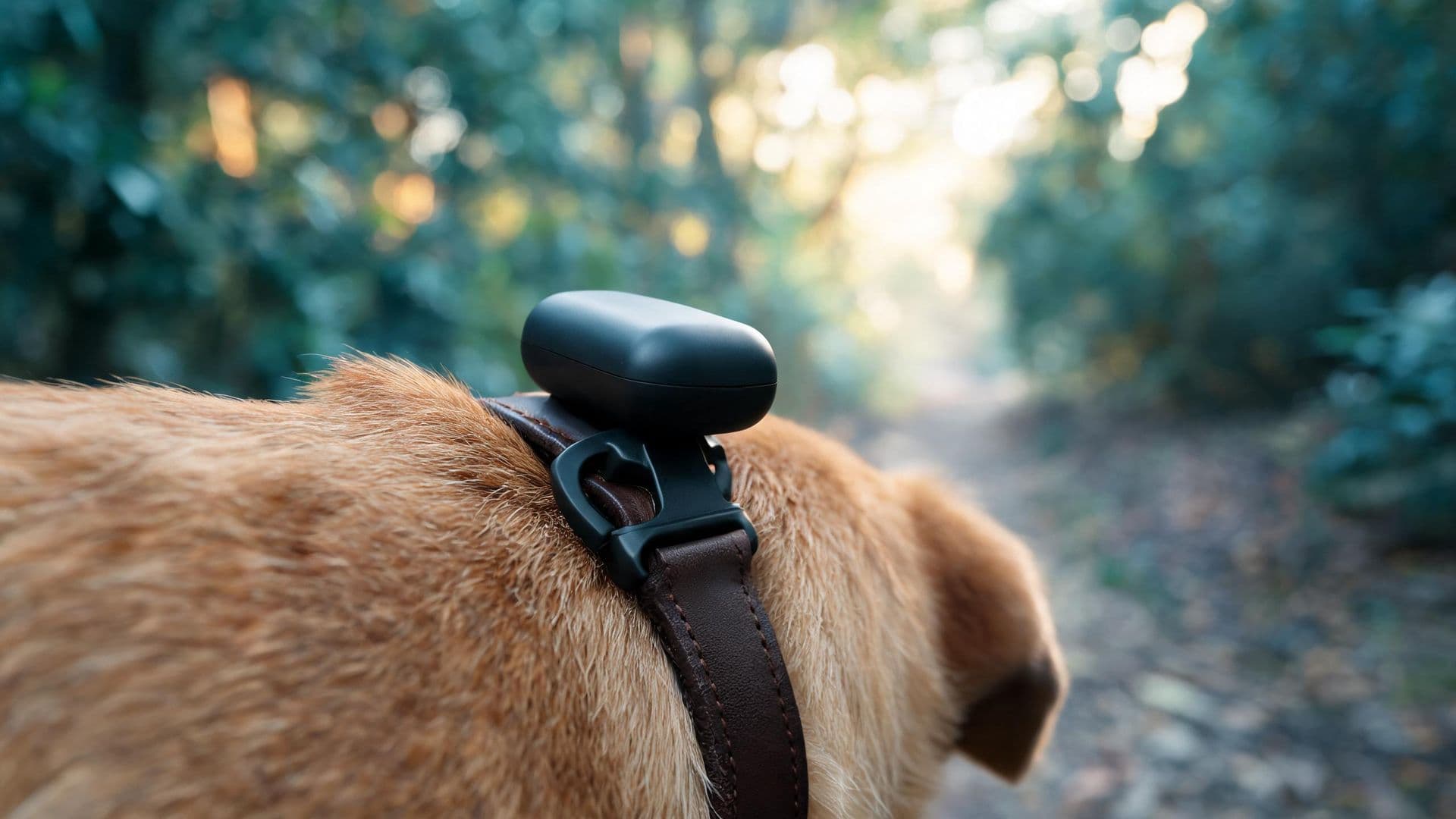 Illustrative image
The challenge
A European pet technology company needed a universal pet tracker that would work reliably across diverse environments - from urban apartments to rural farmlands - while maintaining extended battery life and surviving rough outdoor conditions.
Multi-environment tracking
Traditional GPS trackers fail indoors and consume excessive power. The solution needed continuous indoor-outdoor tracking with intelligent network switching.
Global connectivity
Different regions have varying network availability. Urban areas have LTE-M/NB-IoT coverage, but rural areas often have weak cellular coverage and need LoRa for long-range communication.
Extended battery life
Pet owners forget to charge devices. The tracker needed 30+ days of battery life while providing real-time location updates.
Durability requirements
Pets are rough on equipment. The device needed to survive water immersion, impacts, extreme temperatures, and constant movement.
Impact figures describe the situation before the project, as the client reported it to us; we did not measure them.
Our solution
We engineered a compact, rugged pet tracker with intelligent multi-network connectivity that automatically selects the optimal communication technology based on location, signal strength, and power availability.
System architecture
Intelligent multi-connectivity architecture with automatic network handoff and adaptive power management.
Tracking device
- Multi-constellation GNSS (GPS, GLONASS, Galileo, BeiDou)
- BLE 5.0 beacon for indoor positioning
- LTE-M/NB-IoT modem (nRF9160)
- LoRa transceiver (868/915 MHz)
- 9-axis IMU for activity tracking
Mobile application
- Real-time GPS tracking with history
- Geofencing with customizable zones
- Activity monitoring and health insights
- Multi-pet management dashboard
- Lost pet community alerts
Cloud platform
- Multi-protocol IoT gateway
- Real-time location processing
- Predictive location algorithms
- Global cellular connectivity management
- LoRa network server integration
Custom hardware design
- MCU
- nRF9160 (LTE-M/NB-IoT + GPS)
- Secondary MCU
- STM32WL (sub-GHz LoRa)
- GNSS
- u-blox M10 (multi-constellation)
- Battery
- 800mAh Li-Poly (rechargeable)
- Dimensions
- 42mm x 32mm x 12mm
- Weight
- 28g (with collar attachment)
- Protection
- IP68 enclosure, 2 m drop test (design targets)
Intelligent firmware architecture
- Adaptive network selection algorithm (BLE -> LoRa -> LTE-M/NB-IoT)
- Motion-based GPS duty cycling for power optimization
- BLE beacon scanning for indoor positioning
- Geofence boundary detection with instant alerts
- Activity classification (walking, running, resting, playing)
- Secure OTA updates across all network types
- Local data buffering during connectivity gaps
- Anti-theft mode with tamper detection
Implementation timeline
Phase durations are approximate and some phases ran in parallel, so they add up to more than the 12 months programme.
Phase 1: Architecture & prototyping
8 weeks- Multi-network architecture design
- Component selection and RF planning
- Power budget analysis
- First prototype with 4G + GPS
Phase 2: Hardware development
14 weeks- Multi-layer PCB design (6-layer HDI)
- RF optimization for 4 radios
- Antenna design (LTE, GPS, LoRa, BLE)
- Mechanical design with IP68 enclosure
- 3 prototype iterations
Phase 3: Firmware development
16 weeks- Network selection state machine
- GNSS power optimization algorithms
- BLE beacon-based indoor positioning
- LoRaWAN Class A implementation
- Motion detection and activity classification
Phase 4: App & cloud development
12 weeks- iOS and Android app development
- Real-time location streaming
- Cloud IoT platform deployment
- LoRa network server integration
Phase 5: Certification preparation & production
10 weeks- FCC, CE and IC certification preparation (testing at accredited labs)
- Carrier certification preparation
- Production tooling and DFM
- Factory test fixture development
Results & impact
The tracker was engineered to work across urban, indoor and remote rural environments by choosing the lowest-power network available. The figures below are design targets.
How to read the labels: Design target = an engineering target, not a field measurement; Client-reported baseline = the client's own figure for the situation before the project; we did not measure it. Figures without a label are specifications or project scope.
Battery life
Design target45 days
With motion-based GPS duty cycling
GPS accuracy
Design target3m
Multi-constellation, open sky
Indoor accuracy
Design target5m
BLE beacon positioning
Technologies used
- nRF9160
- STM32WL
- u-blox M10
- LoRaWAN
- BLE 5.0
- LTE Cat-M1
- NB-IoT
- React Native
- AWS IoT Core
- MQTT
Related case studies
Public Safety / Government
Smart police wearable: Real-time officer health monitoring & SOS alert system
Healthcare / Medical Devices